

Interior design and interior decoration are often used as if they mean the same thing, but they solve different problems. In Dubai, understanding the difference matters because a project may range from a simple visual refresh to a complete redesign involving space planning, lighting, materials, custom joinery and fit-out coordination. If you are comparing services, this guide explains where each discipline starts, where they overlap, and when a full-service decoration company in Dubai can simplify the project.
Interior Design vs Interior Decoration: The Short Answer
Interior design focuses on how a space works as well as how it looks. It can include layout planning, circulation, lighting, material selection, storage, furniture planning, technical coordination and the design intent that guides fit-out work.
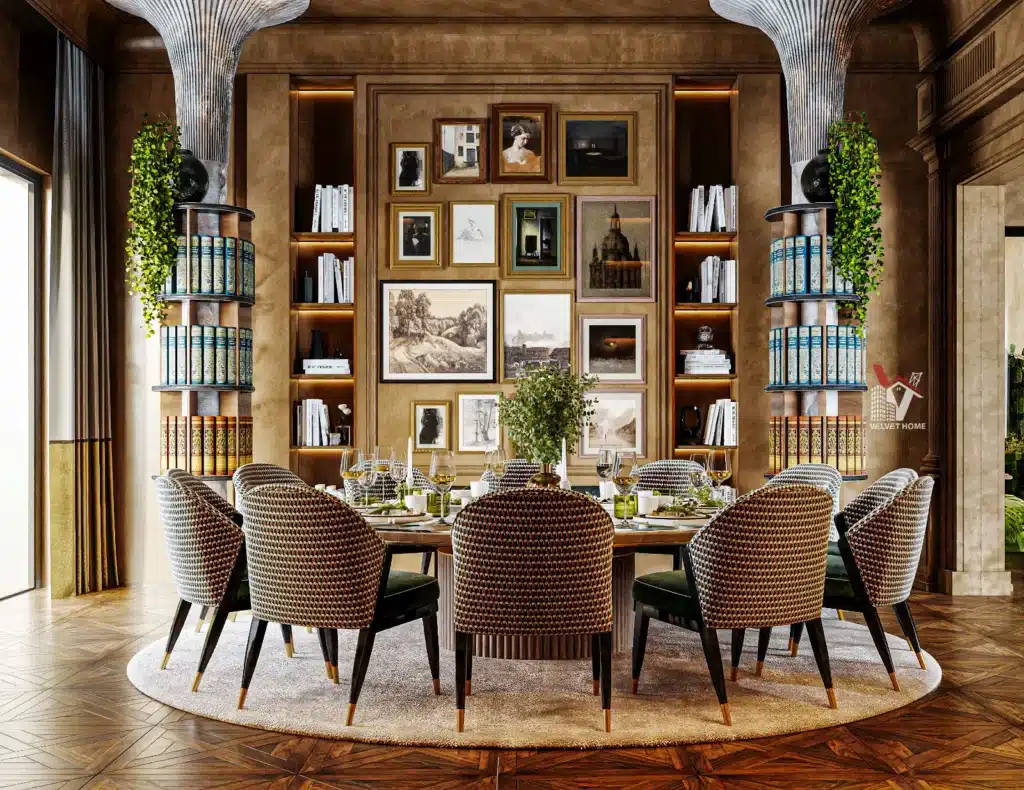
Interior decoration focuses more heavily on the visual layer of a finished or mostly finished space: furniture, colours, fabrics, accessories, artwork, styling and decorative finishes. It can completely change the atmosphere of a room without necessarily changing its underlying layout.
What Does Interior Design Cover?
A professional interior design process usually starts before finishes and furniture are selected. The first questions are practical: How will people move through the space? Where should storage go? How much natural light is available? Which rooms need privacy? What needs to be built, moved or coordinated before the decorative layer is added?
Space Planning and Function
Space planning turns the brief into a workable layout. In a villa or apartment, that may mean improving circulation between living areas, kitchens and bedrooms. In an office or commercial project, it can mean balancing workstations, meeting rooms, reception areas, customer flow and back-of-house functions. This is a core part of interior design in Dubai, because good aesthetics cannot compensate for a layout that does not work.
Materials, Lighting and Built-In Elements
Interior design also considers how materials, lighting and fixed elements work together. Flooring, wall finishes, ceilings, joinery, wardrobes, kitchens, display units and lighting layers should support the concept while remaining practical for the way the space will be used. These decisions affect both the look of the project and the scope that contractors later need to execute.
Design Intent and Fit-Out Coordination
For projects that move beyond decoration, the design has to translate into a buildable scope. That can include drawings, material specifications, coordination with MEP requirements and site execution. The exact approvals and technical requirements depend on the property, building and scope, so they should be checked early rather than after work has started.
What Does Interior Decoration Cover?
Interior decoration is the layer that gives a space its personality. It is especially effective when the existing layout already works and the main goal is to improve atmosphere, style and visual consistency.
Furniture, Fabrics and Styling
Decorators work with furniture selection, rugs, curtains, cushions, artwork, accessories and styling. They create relationships between colour, texture, scale and proportion so that individual pieces feel intentional rather than randomly collected.
Colour and Decorative Finishes
A decoration brief may include paint colours, feature walls, decorative lighting, surface finishes and visual focal points. These choices can make an existing room feel warmer, more luxurious, more contemporary or more aligned with a brand without changing its basic structure.
Which Service Do You Need for Your Dubai Project?
If the layout already works: interior decoration may be enough. This is common when the objective is to refresh furniture, colours, lighting and styling without moving walls or changing major built-in elements.
If the space does not function well: start with interior design. Problems with circulation, storage, privacy, room proportions, lighting or operational flow should be solved before decorative items are selected.
If you are starting from shell-and-core or planning a major renovation: you will usually need a design process that connects concept development with technical coordination and fit-out execution.
If you want one consistent result from concept to styling: combining design and decoration under one creative direction reduces the risk of the finished space looking different from the original concept.
Why Many Dubai Projects Need Both Design and Decoration
The strongest residential and commercial interiors usually do not treat design and decoration as separate afterthoughts. The layout, lighting, materials, furniture and styling need to support one another. A beautifully decorated room can still feel uncomfortable if circulation is poor, while a technically sound layout can feel unfinished without a considered decorative layer.
For homes, our residential interior design services in Dubai connect space planning with materials, furniture and final styling. For offices, retail and hospitality spaces, commercial interior design in Dubai adds another layer of operational planning, customer experience and brand identity.
Interior Design, Decoration and Fit-Out: How the Stages Connect
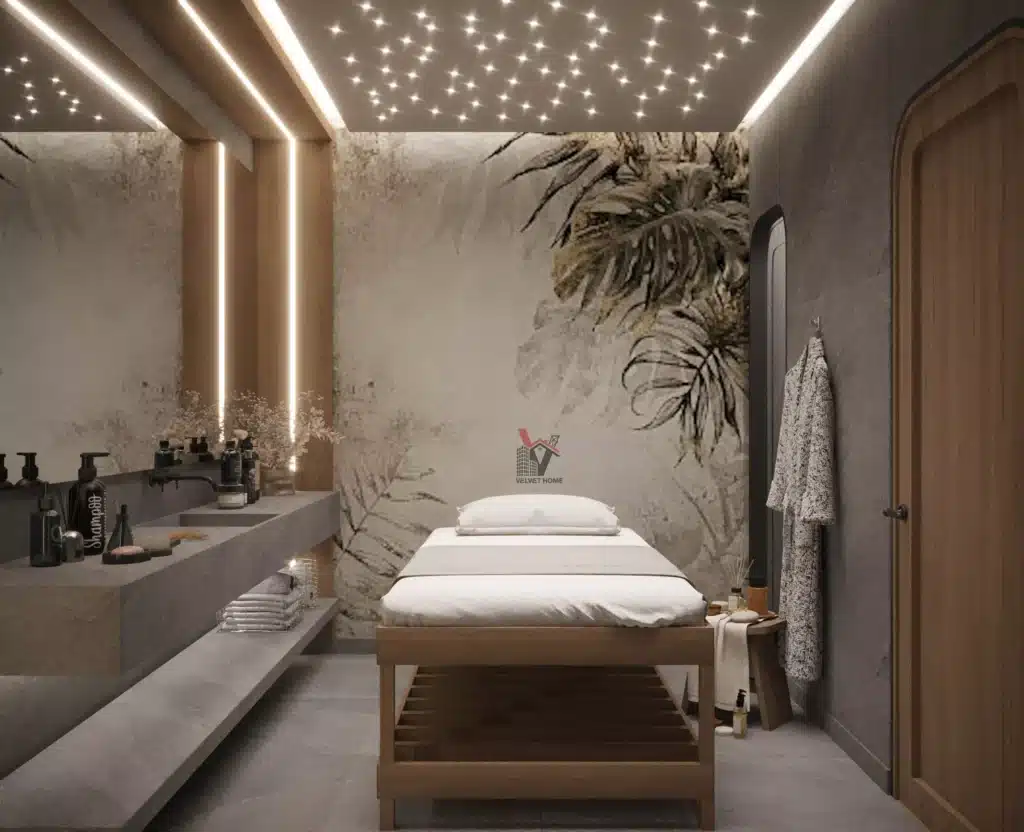
A practical way to think about the process is that interior design defines how the space should work and look, decoration completes the visual experience, and fit-out turns the approved concept into a physical environment. On smaller projects these stages may overlap. On larger projects they should be coordinated from the beginning so that design decisions remain realistic for the site, schedule and budget.
That is why clients looking for decoration design in Dubai often benefit from a team that can understand both the aesthetic brief and the practical requirements behind it. A coordinated approach also makes it easier to keep materials, colours, lighting and custom elements consistent from concept through handover.
How to Choose Between a Designer and a Decorator
1. Define what is changing. If walls, fixed joinery, lighting positions, kitchens, bathrooms or major layouts are changing, the project is more than decoration.
2. Ask what the deliverables include. Clarify whether the proposal covers concept design only, detailed drawings, material selection, furniture, procurement, site coordination, fit-out or final styling.
3. Review relevant completed projects. A residential villa, corporate office and retail shop have very different requirements. Look for work that reflects the type and scale of project you are planning.
4. Confirm who coordinates execution. When a project includes construction or fit-out, establish who is responsible for translating the design into site work and resolving details during execution.
5. Keep one clear design direction. Whether several specialists are involved or one company manages the full scope, the final decisions should follow one approved concept.
Frequently Asked Questions
Is interior decoration the same as interior design?
No. Interior decoration mainly focuses on the visual and furnishing layer of a space, while interior design also addresses planning, function, materials, lighting and often coordination with built elements and fit-out.
Can an interior designer also handle decoration?
Yes. Many full-service interior design teams carry the concept through furniture, fabrics, artwork and final styling so that the decorative layer remains consistent with the original design direction.
Do I need interior design for a simple room refresh?
Not always. If the room layout and fixed elements already work, a focused decoration brief may be enough. If you need to change how the room functions, a design-led process is usually the better starting point.
Does Velvet Home provide both design and decoration?
Velvet Home works across interior design, decoration and fit-out coordination for residential and commercial spaces. You can also explore our dedicated decoration services in Dubai for more information about the decoration-focused scope.
Plan the Right Scope Before You Start
The best result comes from choosing the right level of service at the beginning. A styling refresh should not be overcomplicated, and a major redesign should not be treated as decoration alone. Define the changes you need, the level of technical work involved and the final experience you want the space to deliver.